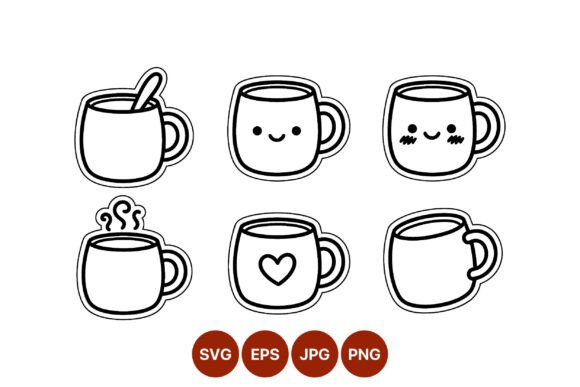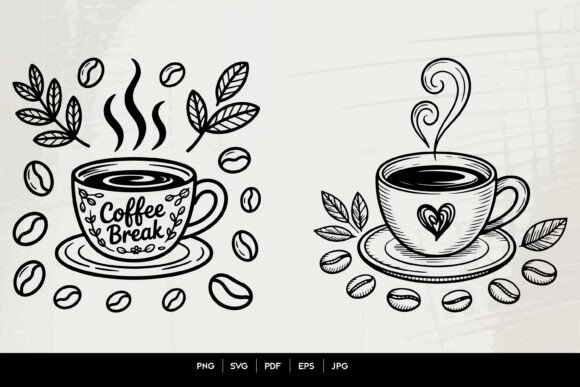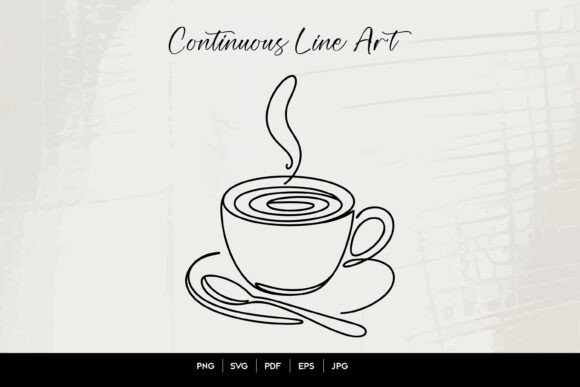
Coffee Cup Continuous Line Art
A Designer’s First Glance: Clean, Warm, and Ready for Stitching
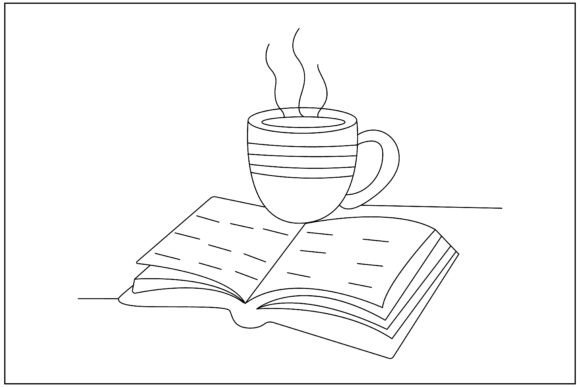
When I opened Coffee Cup Continuous Line Art, my first thought wasn’t “cute” or “trendy”—it was “this will translate cleanly to thread.” As someone who’s digitized hundreds of illustrations for embroidery, I immediately noticed how the line flows without sharp dead-ends, overlapping strokes, or fragile interior details. It’s a single, unbroken contour—elegant in its simplicity, but full of quiet personality: a gentle curve for the handle, a soft swell for the cup body, a subtle upward curl for steam that feels like breath, not clutter. This isn’t just coffee—it’s morning calm, café rhythm, the quiet pride of a well-poured latte. That mood matters. It tells me this design belongs on items people hold close: a linen tea towel folded beside a kettle, a cotton apron worn by a small-batch roaster, or a baby onesie where softness and meaning both matter.
Where It Shines in Real Embroidery Projects
I tested Coffee Cup Continuous Line Art across three real projects: a medium-weight canvas tote bag, a midweight organic cotton sweatshirt, and a set of 4-inch embroidered patches for a local bakery’s staff. In every case, the continuous line held up beautifully—even at 3.5 inches wide on the tote. No stitch pile-up, no skipped sections. Because it’s built as a clean outline (not a dense fill), it stitches quickly and reads clearly at modest sizes. On the sweatshirt, I used a simple running stitch with matte cotton thread—no satin stitch needed—and the result felt handmade, not machine-made. Customers paused to trace the line with their fingers. That tactile response? Rare. It’s why this design works so well for boutique branding, personalized gifts, and Etsy listings where authenticity sells.
It also adapts quietly to context. Flip it upright on a pillow cover—it’s cozy kitchen decor. Rotate it 90° on a cap brim—it becomes a subtle barista signature. Scale it down to 1.75 inches on a baby bib? Still legible, still warm. That flexibility makes it valuable for craft businesses juggling multiple product lines: same file, different emotional resonance.
Where to Proceed with Thoughtful Stitching
That said, Coffee Cup Continuous Line Art isn’t magic—and assuming it is can cost time and thread. On stretchy fabrics like jersey or thin knits, the line can distort if stabilizer isn’t layered correctly. I recommend tear-away + light cut-away combo, especially for custom apparel like t-shirts or baby clothes. On dark fabric, test contrast early: a charcoal cup on navy reads softly; switch to cream or oat thread, and it sings. And avoid placing it directly over seams or curved surfaces like cap crowns without re-hooping—steam’s delicate curl can blur if tension shifts mid-stitch.
Also keep scale honest. While it’s lovely on a large tote or tea towel, don’t force it into a 1.25-inch hoop for a child’s beanie unless you’re willing to simplify the steam detail manually. Tiny corners and tight curves *can* feather or skip on lower-end machines—so always run a test on scrap fabric first. And because it’s a line art graphic—not an applique design or fill-heavy illustration—it won’t carry visual weight on busy prints or textured weaves like burlap or heavy terry cloth. Save it for smooth, stable surfaces where the line gets to breathe.
What This Design Adds to Your Finished Product
It elevates perceived value without adding complexity. A plain cotton apron becomes “the barista apron.” A generic tote becomes “the gift for the coffee-obsessed teacher.” That shift happens because Coffee Cup Continuous Line Art feels intentional—not stock, not rushed, not generic. Customers notice that. They trust it. For Etsy sellers and small shop owners, that translates to fewer returns, more repeat buyers, and stronger brand consistency across embroidered patches, sweatshirt embroidery, and holiday embroidery collections.
It also supports your professionalism behind the scenes. Since it comes in PNG, SVG, EPS, PDF, and JPG formats, you can prep digital embroidery files, build printable mockups, or drop it into Canva for social previews—all without losing clarity. That’s huge when you’re juggling client revisions, craft fair deadlines, or seasonal launches. Just remember: confirm licensing before selling finished items or bundling the digital embroidery file with other design assets. The description lists keywords like “commercial embroidery” and “craft business,” but always verify scope before scaling.
Practical Notes Every Embroidery Designer Should Keep Handy
- Always test first: Run Coffee Cup Continuous Line Art on scrap fabric matching your final project’s weight, weave, and color.
- Check thread color contrast on both light and dark backgrounds—especially if offering custom apparel in multiple shades.
- Review stitch density in your embroidery software. Even simple lines benefit from consistent stitch spacing—avoid gaps or overcrowding in the handle or steam.
- Confirm hoop size compatibility. The line’s flow works best when hooped with room to spare—don’t cram it into the smallest hoop you own.
- Inspect small details like the tip of the steam curl. If it’s too fine for your machine’s minimum stitch length, adjust manually or simplify.
- Test black-and-white mockups to assess silhouette strength—this design relies on shape, not shading.
- Use proper stabilizer—especially for knit or lightweight fabrics where puckering hides clarity.
- Verify commercial use rights before listing embroidered patches, tote bag designs, or digital embroidery files for resale.
In short: Coffee Cup Continuous Line Art is a quiet workhorse—not flashy, but deeply reliable. It fits naturally into handmade product workflows, supports thoughtful brand storytelling, and rewards attention to detail. Whether you’re stitching for joy, gifting with care, or building a craft business one embroidered patch at a time, this illustration earns its place in your design assets—not because it’s trendy, but because it’s true.