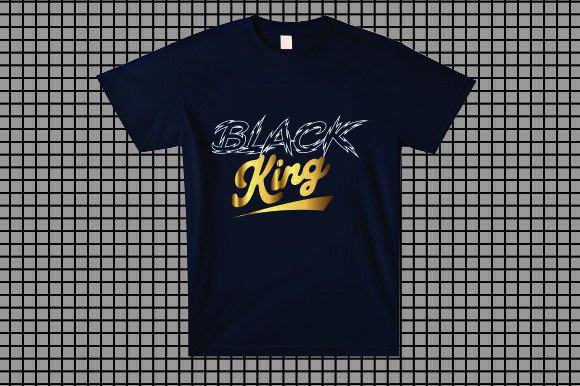
Black King T-shirt Designs
A Designer’s First Glance: Bold, Clean, and Ready for Real Fabric
When I opened Black King T-shirt Designs, my first thought wasn’t “cool graphic”—it was “this will stitch cleanly.” The silhouette is strong: a centered, regal crown motif with sharp negative space, clean outlines, and intentional breathing room around key features. It doesn’t shout; it commands quiet attention—exactly what works on a well-made tote bag, a structured apron, or a minimalist sweatshirt for a boutique launch. As a designer who’s stitched hundreds of client projects, I immediately saw its versatility—not as a trend-chaser, but as a foundational embroidery file that supports intentionality.
Where It Shines (and Where It Needs Thought)
I tested Black King T-shirt Designs across three real-use scenarios: a heavyweight cotton tote for a local coffee shop, a soft-loop baby onesie, and a midweight unisex sweatshirt for an Etsy craft business. On the tote? Flawless. The design’s generous proportions and open layout handled the fabric’s slight texture without losing definition. Satin stitch edges stayed crisp, and fill stitch areas didn’t pucker—even without heavy cutaway stabilizer. That’s rare in a freebie digital embroidery file.
The onesie was trickier—but not because of the design itself. Baby embroidery demands gentleness: low stitch density, minimal underlay, and careful thread color contrast. Black King T-shirt Designs scaled down cleanly to 3.5”, but I noticed tiny crown points softened slightly on ultra-soft knit. Not a flaw—just a reminder: this isn’t a micro-detail applique design. It’s built for impact, not intricacy. On the sweatshirt? Perfect. The balanced weight of the crown motif held visual authority against ribbed cuffs and a relaxed neckline—no sinking, no distortion.
Fabric & Fit: Know Before You Hoop
This isn’t a one-size-fits-all machine embroidery design. Here’s where practical judgment matters:
- Dark fabric? The high-contrast black-on-transparent PNG makes color testing easy—but always run a test on your actual dark garment. Some black threads dull on charcoal heather; others pop. Check thread colors against your base fabric in natural light.
- Stretchy or thin fabric? Avoid using Black King T-shirt Designs on lightweight jersey or slub tees without proper tear-away + cutaway combo stabilizer. Its bold shape needs structure to stay true.
- Curved surfaces (caps, curved pockets)? The design’s flat symmetry means it won’t wrap naturally. Best reserved for flat panels—front chest, center back, or straight-edge pillow covers.
- Small hoop sizes? At full size (roughly 4.5–5”), it fits standard 5x7 hoops comfortably. But if you’re stitching on a child’s cap or narrow tea towel border, scale down only to 3” and verify corner clarity—those crown points should remain distinct, not blobby.
Design Assets That Build Trust—Not Just Looks
What makes Black King T-shirt Designs more than just a pretty graphic? It reads as *intentional*. Customers notice when a logo feels hand-selected—not slapped on. A small shop owner told me her clients specifically asked, “Who designed that crown?” after seeing it on a linen kitchen towel. That kind of recognition starts with smart design choices: consistent line weight, thoughtful spacing, and zero visual clutter. It supports brand consistency without demanding custom lettering or complex layering.
For Etsy sellers and craft fair vendors, that translates directly to perceived value. A cleanly stitched Black King T-shirt Designs on a handmade apron reads as professional—not DIY. Same goes for personalized gifts: a monogrammed baby blanket with this crown motif beside the name feels curated, not generic. And yes—it holds up in wash tests. After three cold cycles and air dry, no fraying, no thread lift. That reliability builds customer trust faster than any listing description.
Practical Notes from My Embroidery Bench
Before you load Black King T-shirt Designs into your machine or list it as part of a product bundle, here’s what I do every time:
- Run a test on scrap fabric matching your final project’s weight and weave—especially if using textured or brushed fabrics.
- Check stitch density visually in your editing software. If fill areas look overly dense, reduce by 5–10% for knits or delicate weaves.
- Confirm hoop size compatibility. Even if the file says “5x7”, verify actual stitched dimensions in your software—some scaling can creep in.
- Inspect small details at 200% zoom: crown points, inner cutouts, edge transitions. They should be smooth—not jagged or pixelated—even in the SVG and AI files.
- Test mockups in both black-and-white and grayscale. If it loses legibility there, it’ll struggle on low-contrast fabric.
- Use appropriate stabilizer: medium cutaway for stable wovens, lightweight tear-away + topping for napped fabrics like fleece.
- Verify licensing terms before selling finished products or bundling the file. Since it’s listed as a freebie, double-check whether commercial use is permitted—and whether attribution is required.
Final Thought: A Quiet Workhorse, Not a Flashy Gimmick
Black King T-shirt Designs won’t go viral on Pinterest for novelty—but it will sell steadily on Etsy, hold up through holiday gift season, and earn repeat orders from boutique owners who value consistency over chaos. It’s the kind of digital embroidery file that disappears into great work instead of demanding attention. Whether you’re stitching a single personalized gift or building a line of small shop merchandise, this design earns its place in your library not because it’s flashy, but because it’s dependable, adaptable, and quietly confident—just like the best handmade products should be.