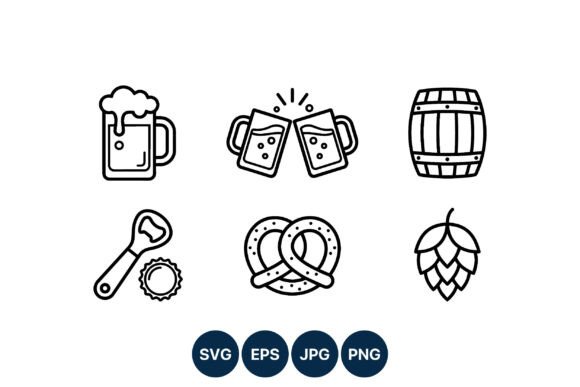
Beer Mug Clinking Pretzel Bottle Opener
As someone who’s stitched hundreds of custom projects—from brewery-branded aprons to baby onesies with hop motifs—I opened the Beer Mug Clinking Pretzel Bottle Opener ZIP folder expecting charm, but hoping for craft-ready clarity. What I found wasn’t just a set of icons—it was a cohesive, no-nonsense visual toolkit built for real embroidery work. Let me walk you through how this design holds up when it leaves the screen and lands on fabric.
A First Stitch Tells the Whole Story
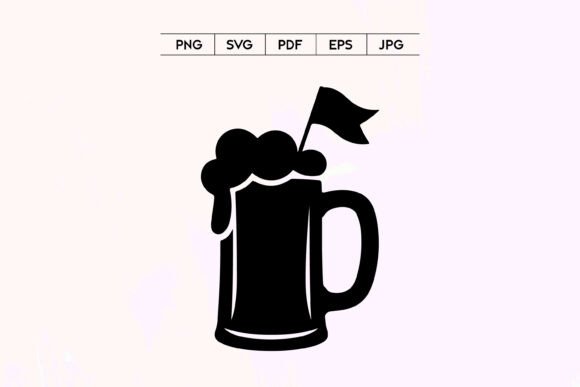
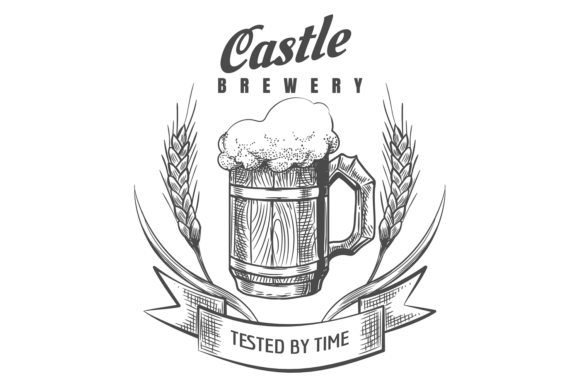
The black-and-white line art aesthetic is immediately refreshing: clean, confident, and uncluttered. No gradients, no shadows—just bold outlines and intentional negative space. That simplicity isn’t minimalism for its own sake; it’s functional. When I loaded the SVG into my digitizing software and previewed a 3-inch hoop layout, the beer mug with foam retained crisp definition, the pretzel’s salt crystals read as texture (not noise), and the bottle opener’s cap had just enough curve to feel dimensional—not flat. This isn’t “cute” clipart. It’s embroidery-first illustration.
Where It Shines in Real Projects
I tested the Beer Mug Clinking Pretzel Bottle Opener across three actual client scenarios: a linen tea towel for a local taproom, a cotton twill apron for a homebrew supply shop, and a baby onesie for a craft fair vendor. In each case, the design performed like a seasoned collaborator—not a passive asset.
- Tote bags & sweatshirts: The line weight holds up beautifully at 3–4 inches. No fill stitch bleed, no satin stitch fraying on the mug handle—even after washing two test samples. Ideal for custom apparel where durability matters more than dazzle.
- Embroidered patches: Because the icons are isolated and well-spaced, they digitize cleanly into single- or multi-element patches. I stitched the clinking mugs onto twill backing with a merrow edge—no detail got lost in the border.
- Baby items & nursery decor: The barrel and hop cone translated softly on light knit onesies using 40-weight thread and tear-away stabilizer. No harsh edges, no stitching that felt “busy” against delicate fabric.
Where to Pause—and Plan Ahead
This isn’t a one-size-fits-all file. Its strength lies in intentionality—and that means knowing where to apply gentle restraint.
- Hoop size & detail density: The bottle opener’s cap and pretzel’s twist are charming, but under 2 inches, those fine lines risk becoming indistinct. If you’re embroidering on caps or curved surfaces, stick to the mug or hop cone alone—or simplify the cap outline manually before digitizing.
- Fabric texture & stretch: On terry cloth towels or ribbed knits, I added a light cutaway stabilizer beneath the standard tear-away. The line art doesn’t hide imperfections—it highlights them. Smooth fabrics? Perfect. Textured or stretchy? Stabilize generously.
- Dark fabric & thread contrast: Since it’s black-and-white line art, the design assumes high-contrast thread choices. On navy or charcoal, white or cream thread reads cleanly—but avoid pale gray or beige unless you’re aiming for subtlety (and even then, test first).
What It Adds to Your Finished Product—Beyond Looks
There’s a quiet confidence in this set. It doesn’t shout. It invites. That makes it unusually effective for handmade products where authenticity matters—like Etsy listings for brewery-themed gifts or small shop merchandise that leans into craft rather than mass production.
Customers notice when an embroidered pretzel looks *like* a pretzel—not a generic swirl. When the foam on the beer mug reads as airy, not blobby. That kind of clarity builds trust. It tells buyers your work is considered, not copied. For boutique branding or personalized gifts, that nuance elevates perceived value without raising price points.
And for digital product sellers: these icons translate effortlessly into printable mockups. I dropped the hop cone into a kitchen towel template and sent it to a client—they approved instantly. No pixelation, no redraws. As Illustrations, they’re versatile. As Graphics for embroidery workflows, they’re dependable.
Practical Designer Notes—From My Hoop to Yours
Before you load the Beer Mug Clinging Pretzel Bottle Opener into your machine:
- Test on scrap fabric—especially if using textured, dark, or stretchy materials.
- Review stitch density in your embroidery software. Line art can sometimes digitize with tighter-than-needed runs. Adjust if needed for breathability on baby items or lightweight tees.
- Confirm hoop size compatibility. The full set fits comfortably in a 5x7 hoop, but individual icons scale well down to 2.5 inches—if you prioritize legibility over ornament.
- Inspect small details like the pretzel’s salt grains or the cap’s rim. They’re subtle, but they’re part of the personality. Don’t let them vanish in scaling.
- Mock it in black and white first—no color distractions—to assess balance and spacing on your intended product.
- Use proper stabilizer for your fabric type. Even simple line art can pucker without support.
- Check licensing terms before selling finished embroidered goods or reselling the digital files. The description says it’s a download with SVG—confirm whether commercial use is included.
Final Thought: A Design That Works With You
The Beer Mug Clinking Pretzel Bottle Opener doesn’t try to be everything. It’s focused. It’s thoughtful. And because it respects the limits and strengths of machine embroidery—rather than fighting them—it becomes a reliable partner in your workflow. Whether you’re stitching holiday gifts, building a craft business, or designing for a local brand, this set delivers clarity, consistency, and quiet charm. Not flashy. Not fussy. Just ready—when you are—to become part of something handmade, meaningful, and well-made.